
Early Autumn Diary 2025
(Click on the images for a larger picture.
If you are viewing Country Eye on a Smartphone or Tablet the page layout
may not be as intended, please see Accessibility
. )
Weather wise, autumn has been very mixed. The second half of September saw a lot of rain and low levels of sunshine here in south Lincolnshire with winds predominantly from the north-east, which delighted most birders. September to date has been drier with easterly winds until the middle of the month when a southerly airflow brought some unseasonably high temperatures.
As I write at the beginning of September, the Met Office has confirmed that this summer was the warmest on record in the UK. In my area of eastern England there has been a serious lack of rainfall; in fact, very little rain since the very early spring. Farmers are being encouraged to establish autumn sown crops using minimum till or no till techniques as ploughing will release the valuable moisture as well as releasing carbon into the atmosphere aiding global warming.
Water levels are at an all time low with for example, Rutland Water exposing landscape features that have not been seen since it was constructed and flooded more than forty years ago. The two nature reserves in Lincolnshire; Willow Tree Fen and RSPB Frampton Marsh at which I volunteer are still very dry. The latter particularly so as the pump that controls the water levels on the various scrapes and lagoons has been broken for months. The upside is that wading birds and ducks are concentrated on the remaining areas that still have water yielding good opportunities for observation and photography.
Two areas at Frampton Marsh that still held water at the end of August were the "reedbed lagoon" which can be viewed from the visitor centre as well as the reedbed hide and the small reservoir. The former proved very attractive to waders whilst the reservoir was popular with wildfowl and visiting spoonbills.
 Wood Sandpiper |
On one morning in August I encountered 15 species of waders at Frampton of which 13 were seen on the reedbed lagoon. These included Common, Green and Wood Sandpipers, Snipe, Black tailed Godwits and the delightful, tiny; Little Stints.
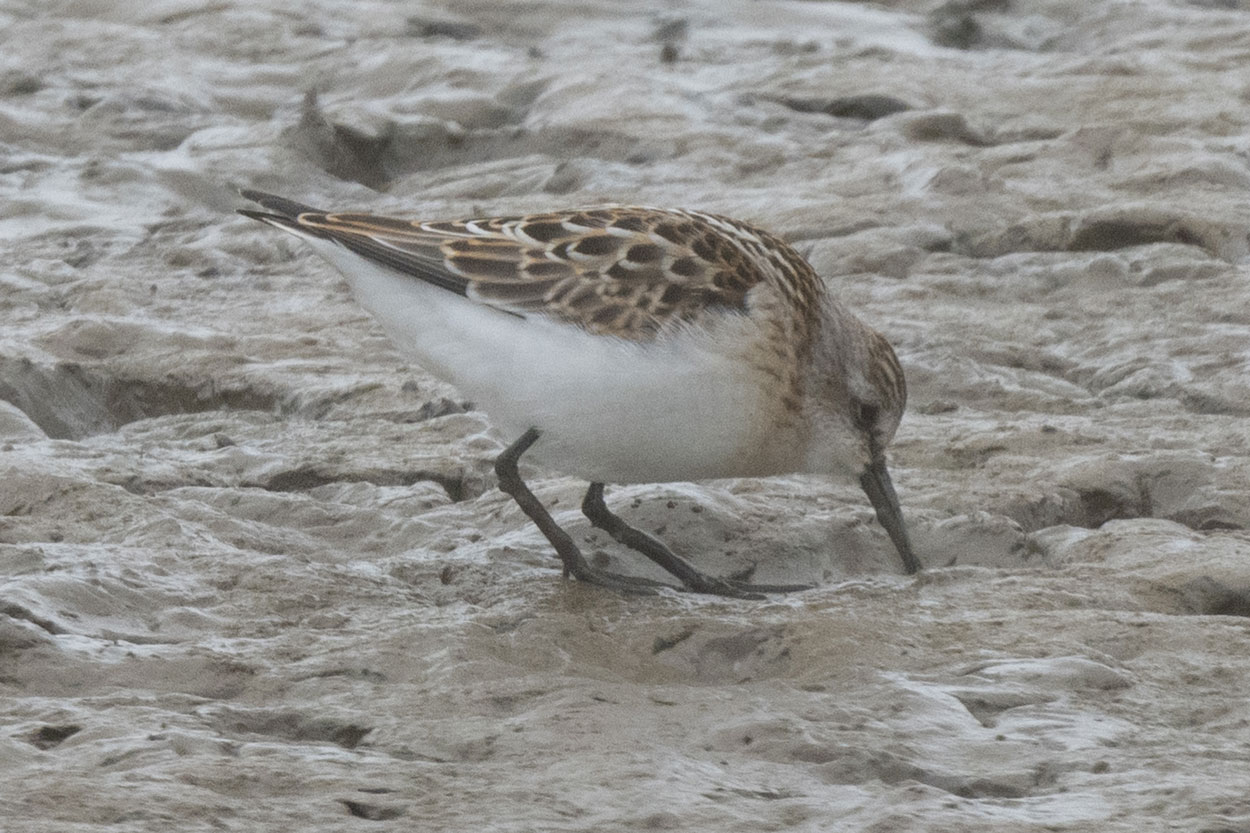 Little Stint |
 Common Sandpiper |
Avocets, which bred successfully were only present in very low numbers as they require shallow water to feed on small crustaceans, whereas most of the other waders probe the mud with their bills to find invertebrates.
 Bearded Tit |
The Sand Martins that featured in the last edition of Country Eye enjoyed
an exceptionally good nesting season at the artificial cliff at Frampton
Marsh with many fledging at least 3 broods of young.
 Bearded Tit |
 Common Seal |
The RSPB in association with the Boston Belle run a series of cruises
down the River Witham from Boston Marina, into the Wash and up the River
Welland to see a host of bird species; especially waders as well as Harbour
or Common Seals.
 Little Turn |
I joined the cruise on the 16th of August which was one of the best that I had been on. The highlights for me were dozens of Little Terns, along with a few Common and Sandwich Terns and flocks of waders that included scores of Grey Plovers still in summer plumage with their black bellies. A rather surprising find was a Guillemot at the confluence of the Witham and Welland; a cliff nesting auk that I would normally travel to the cliffs at Bempton and Flamborough to see. Of course, after the nesting season they disperse but they are usually seen out at sea rather than the river mouths.
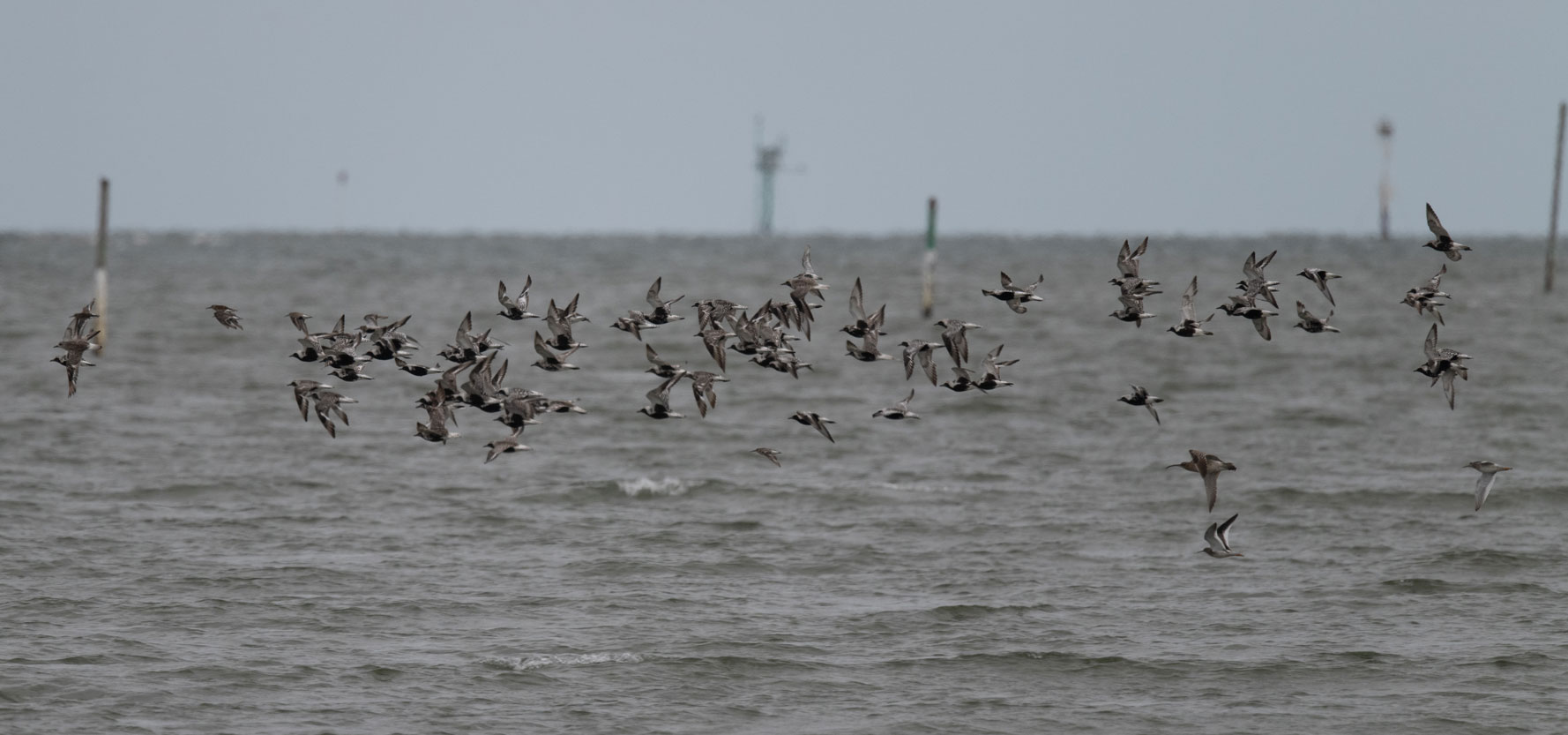 Grey Plovers |
 Guillemot |
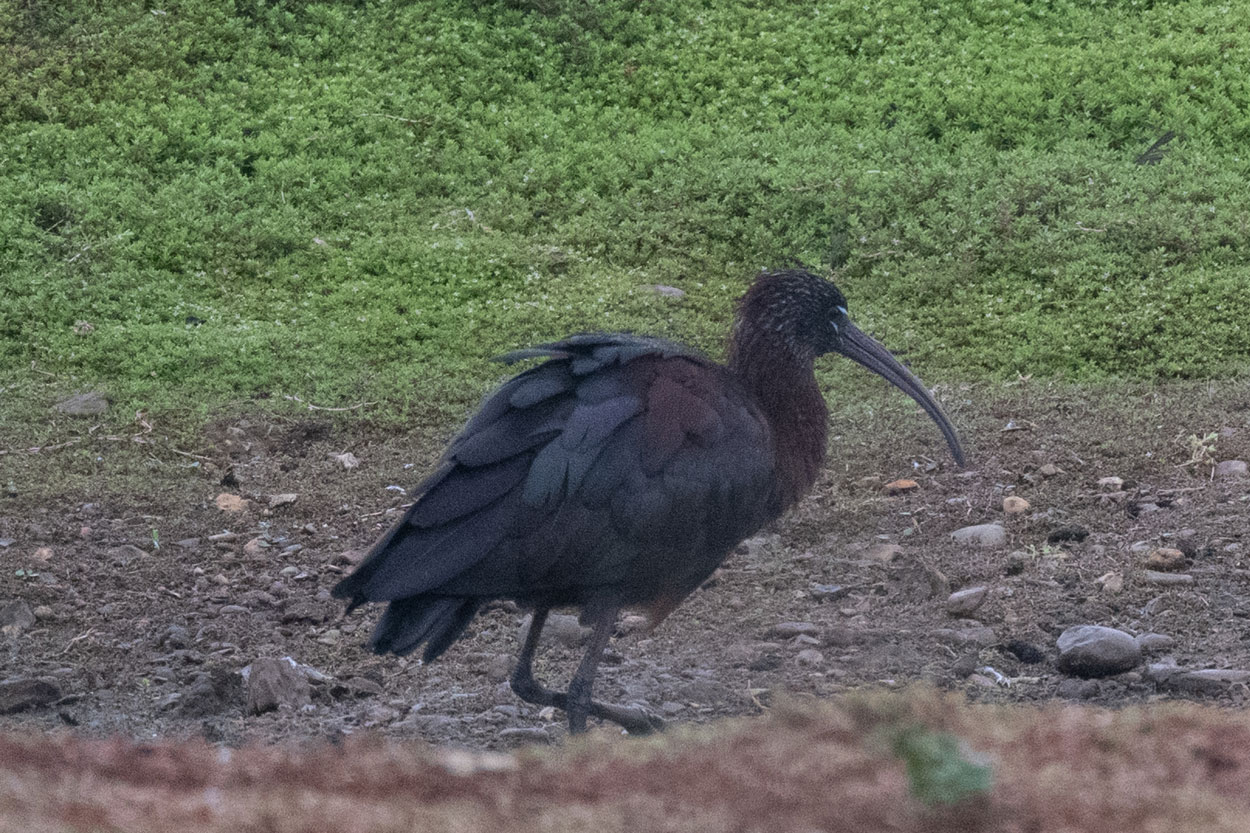 Glossy Ibis |
Inland some of the flooded gravel pits and nature reserves proved attractive to a variety of exotic birds including a regular Glossy Ibis.
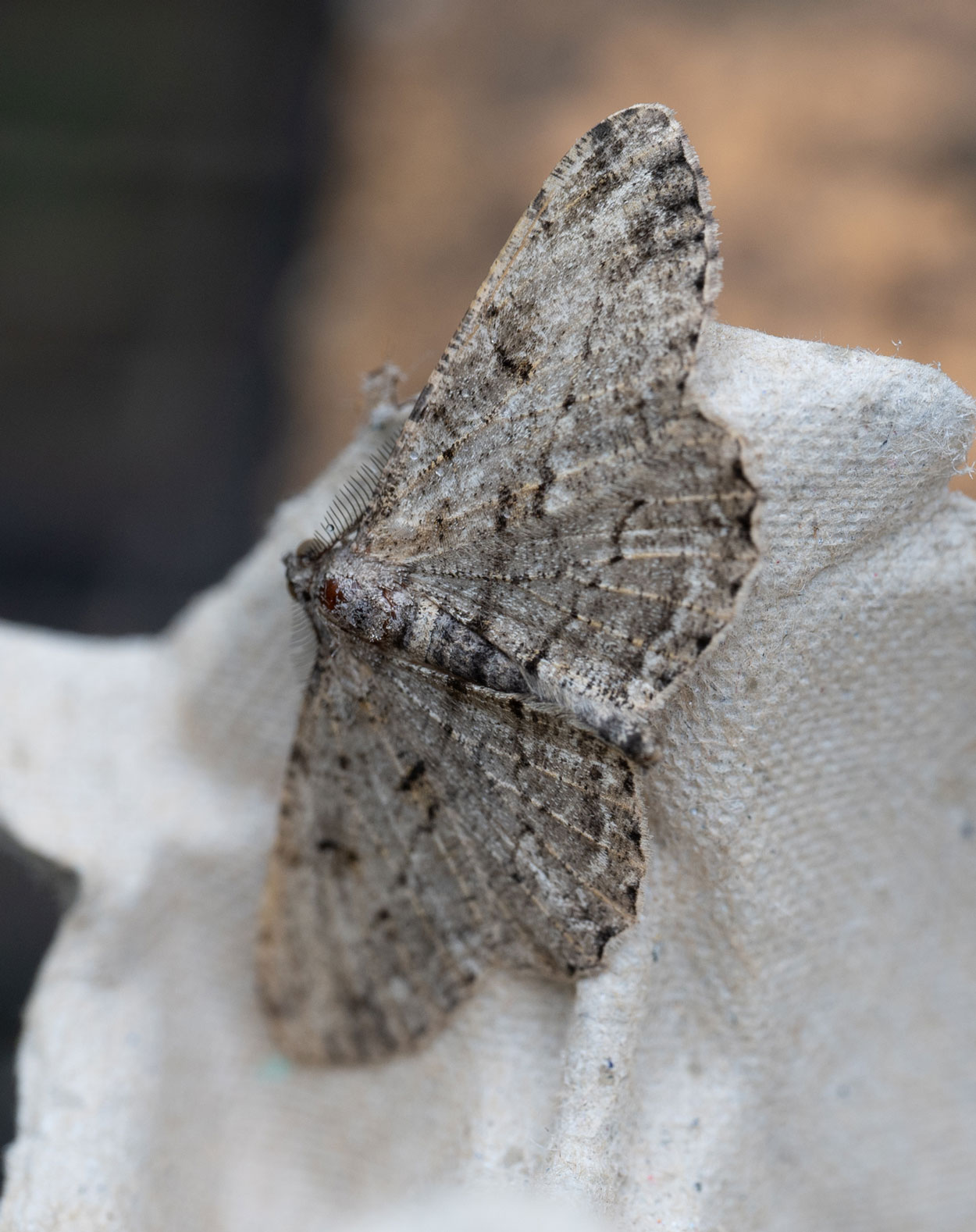 Willow Beauty |
The warm weather also encouraged me to look more closely at insects in my garden. I was able to use my moth trap more regularly than last summer's continual deluges and trapped and released some beautiful specimens including many Poplar Hawk-moths and the aptly named Willow Beauty. One insect on our buddleia that had me fooled was the Hornet Plumehorn Hoverfly which I gave a wide berth until I realised that it wasn't a hornet!
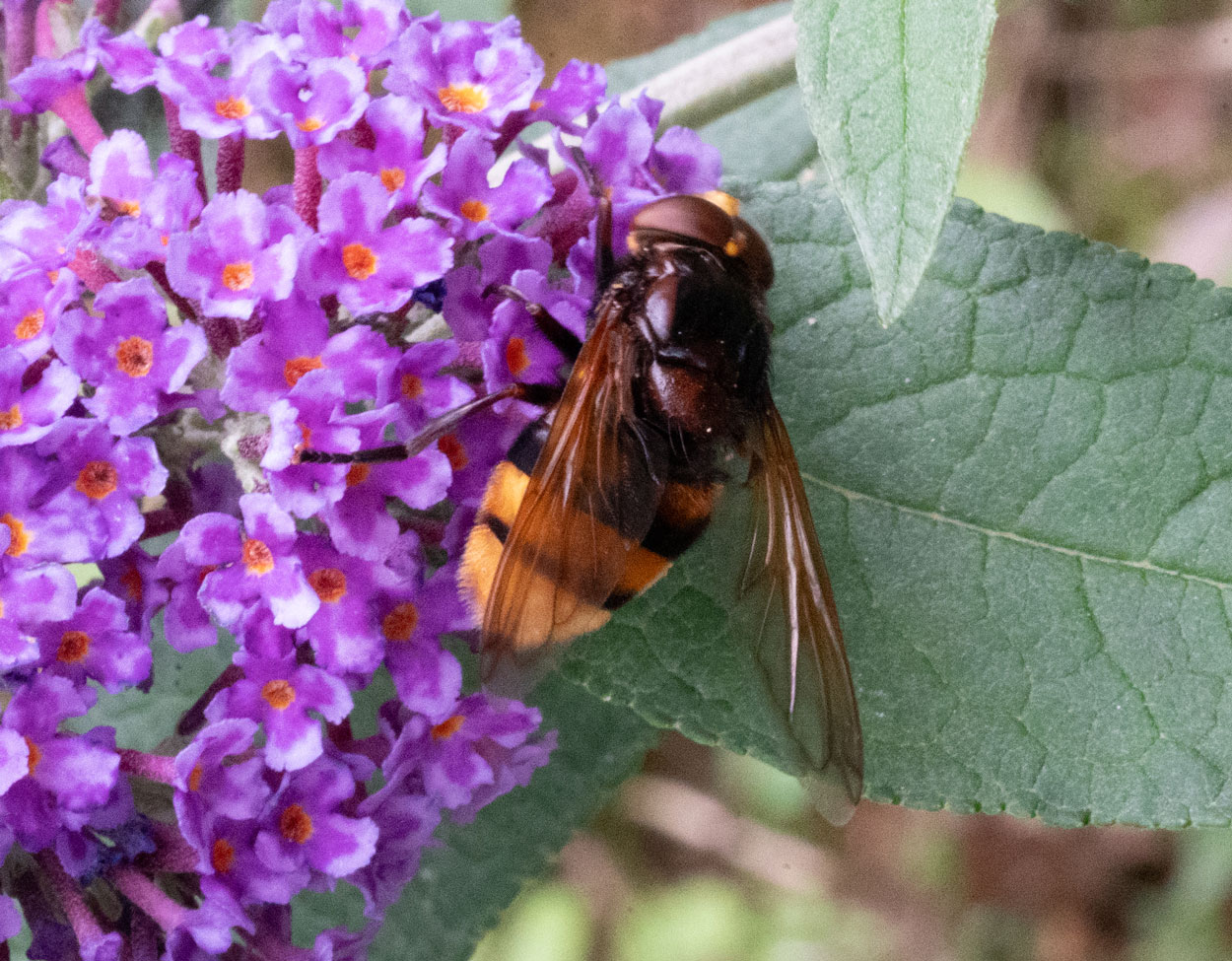 Hornet Plumehorn Hoverfly |
 Poplar Hawk-moth |
 Speckled Wood |
As autumn progresses, it is not too late to look for butterflies and even dragonflies well into October. Comma and Speckled Wood butterflies should be sought in sunny woodland rides where Migrant Hawker and Darter dragonflies might well be on the wing.
Ian Misselbrook
September 2025
Some text may be lost if you are viewing with a low screen resolution - click here for more info